Good Soil Means Good Vegetables

Build your soil by working it over time.

Rich soil takes time to build, so be patient.

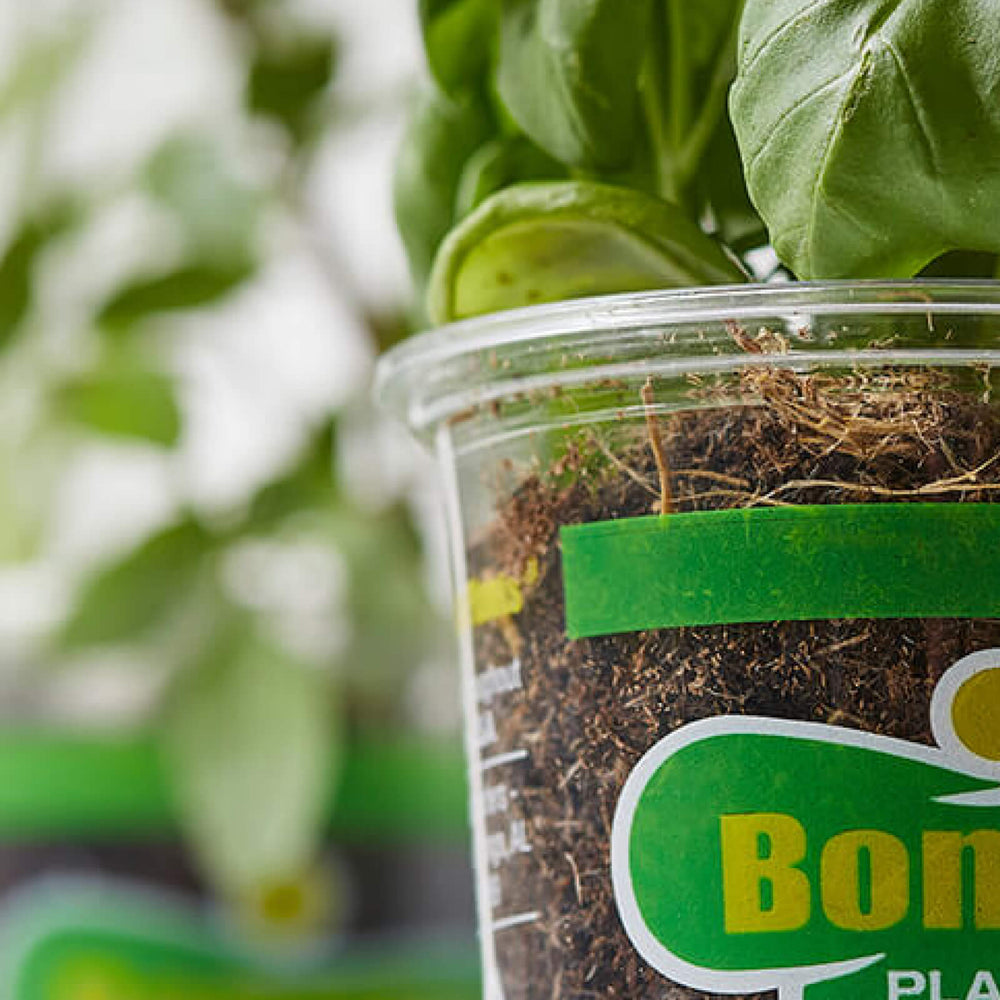
Vegetables need good soil. If the soil is hard, rocky, soggy, or nutrient poor, the vegetables will be, too. In rich, soft soil, roots grow deeply and soak up nutrients for healthy, productive plants. Here is how to prepare the spot where your veggies will grow.

Clear the area. Remove grass, rocks, or other debris. To dig up grass, use a spade to cut the sod into small squares and pry from the planting area with the end of the spade. Or, you can kill it with glyphosate (Roundup) and till it up.

Loosen the soil. Work the soil to a depth at least 8 inches (12 is better) with a power tiller or garden fork.

Improve the soil. Work a minimum of 2 to 3 inches of compost or soil conditioner into the soil with a tiller or fork. This helps drainage, the ability to hold nutrients, and promotes beneficial micro–organism activity. This is also a good time to add lime or sulfur to adjust pH as recommended by a soil test. If you don’t have time to send off a soil sample for testing, use a purchased kit, or take your chances that the pH is okay and test it later.

Use a steel garden rake to rake the soil smooth and level before planting.

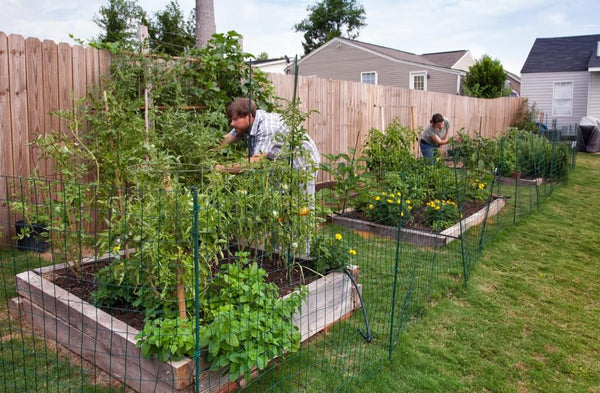
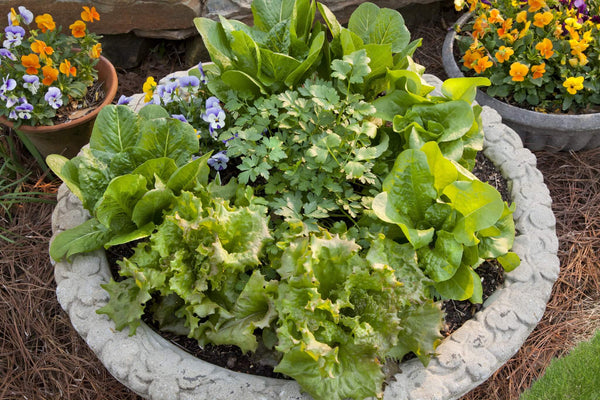
In just depressingly hard soil, consider building a raised bed by piling good soil on top of the ground. The deeper the better. Or, grow in containers.

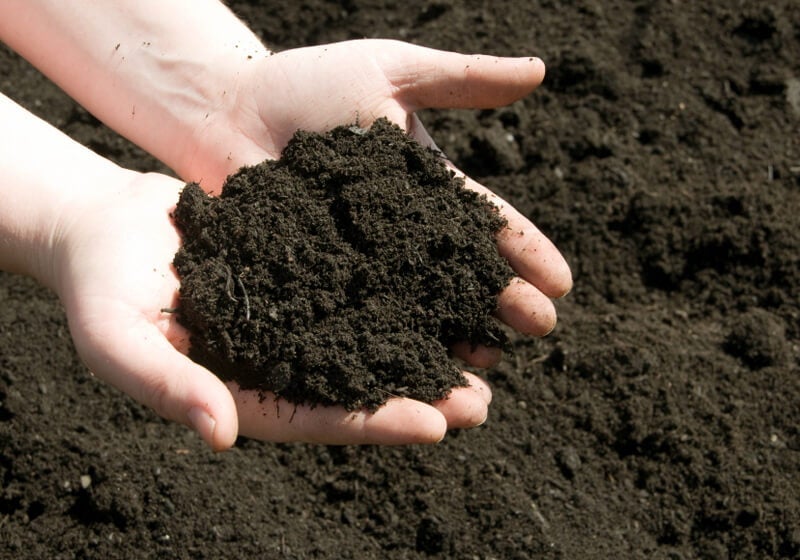
Your soil will improve with each season as you add lots of compost and organic matter. In time it will look like what gardeners call black gold–a rich, dark, organic soil that holds moisture and nutrients yet drains well.

Understand that the soil is alive with microscopic and visible creatures that contribute to the well being of your plants. Read the sections on Soil and Soil Buiding and Composting in the Learn & Grow Library for more details about building good soil. Also read the article about the soil food web in the Soil and Soil Buiding section of the Learn & Grow Library.

6 thoughts on “Good Soil Means Good Vegetables

      • Hi Tash,
        You are right; it is confusing. The terminology for labeling is not standardized. It used to primarily be known as potting “soil” and now we see potting “mix” more commonly. What you what to be sure of is that the potting mix or potting soil you use is for containers (and referenced on the label) if you are planting in pots or containers. You want to use GARDEN soil or planting mix to amend the soil in the ground or raised beds. It does pay off to purchase a quality soil; it is worth it! Does that help? ~Mary Beth, Bonnie Plants
    • Hi Linda,

      I just got this answer from our Ask an Expert service:

      There are a few ways to deal with snails and slugs. You can place cardboard squares around the garden or flower bed. Slugs and snails will collect under the sections because they are attracted to the moisture. The cardboard can then be discarded helping to reduce the populations.

      Beer is also used as a slug/snail attractant. Bury a small, shallow dish until the top is even with the ground. Pour a couple of ounces of beer into the dish. The slugs and snails crawl in and drown. This will have to be emptied and refilled daily.

      The best control for slugs and snails is to use the slug and snail pellets (baits). This product can be found in most garden centers. This product must be reapplied after a rain. Follow all label directions carefully and notice that some are not approved for use in the vegetable garden.

      Hope this helps!
      Kelly, Bonnie Plants

Leave a Reply

Comments are welcomed and encouraged on our Bonnie Plants site. We want to hear from you! We reserve the right to restrict comments that do not contribute constructively to the topic, contain profanity or personal attacks, or seek to promote a personal or unrelated business. Comment threads should relate to the topic of this page; general comments or gardening questions should be directed through our Contact Us page.

Your email address will not be published. Required fields are marked *

*

You may use these HTML tags and attributes: <a href="" title=""> <abbr title=""> <acronym title=""> <b> <blockquote cite=""> <cite> <code> <del datetime=""> <em> <i> <q cite=""> <strike> <strong>