


 Herbs
Herbs
 Vegetables
 Fruit
Fruit
 Flowers
 Succulents


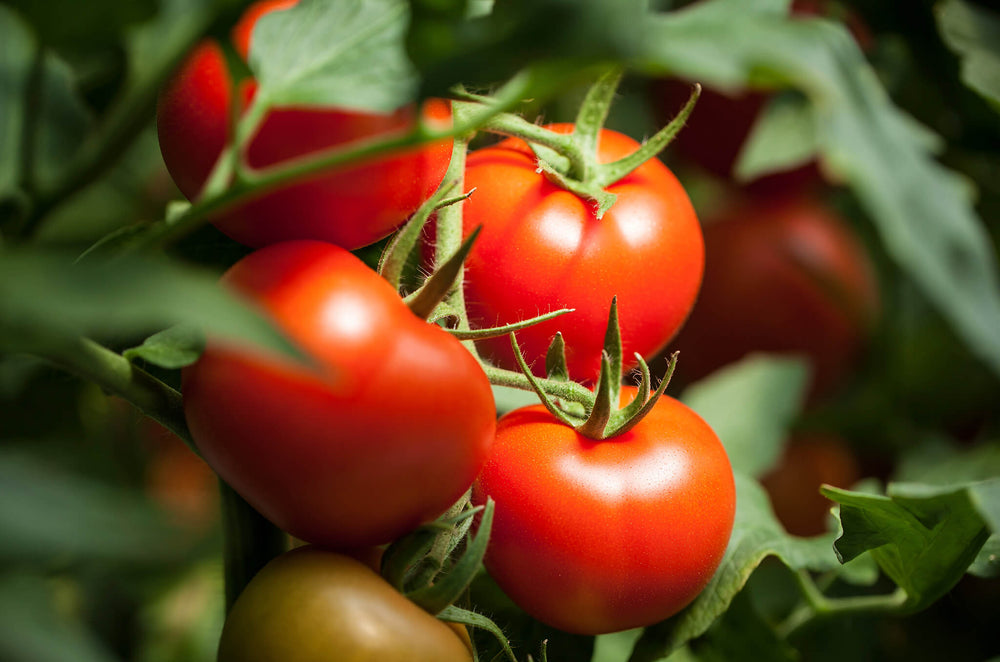
With experience, you will learn how to match fertilizer amounts with plants' needs for your climate and soil. Onions, tomatoes, sweet corn, and vegetables grown in containers respond to special fertilizing techniques, but most crops grow well if you simply mix a balanced fertilizer into the soil as you set out the plants. Use the lists below to help determine the best method for feeding your favorite vegetables.
Fertilizing Basics
Plants grow using energy from the sun combined with nutrients taken from the soil. Because the organic matter in soil holds nutrients like a sponge until they are needed by plants, soil that is fertile, well-drained, and regularly enriched with compost often holds a reasonable supply of plant nutrients. Unimproved, though, newly cultivated soil is usually low in organic matter, so it is also low in nutrients.
All edible plants remove some nutrients from the soil, and some have such huge appetites that they will quickly exhaust the soil (and then produce a poor crop) without the help of fertilizer. Fertilizing is especially helpful early on, when plants are making fast new growth. You can mix a continuous-release fertilizer, such as Miracle-Gro® Shake ‘n Feed® Tomato, Fruit & Vegetable Plant Food, into individual planting holes, work it into furrows, or use a turning fork to mix it into beds. Or, you can apply a liquid fertilizer, such as Miracle-Gro® LiquaFeed® Tomato, Fruits & Vegetables Plant Food, at the same time you water your plants. Whichever type of plant food you choose, be sure to read the label for directions.
Always follow the rates given on the fertilizer label when deciding how much to use. Too much fertilizer can be worse than too little! Overfed plants often grow huge, yet bear a light crop late in the season.
In addition to feeding your plants, it's important to give them a high quality soil environment—fertilizer and soil work together to provide your garden with what it needs to grow big and produce a great harvest. When planting in-ground, improve your existing soil by mixing in a layer of Miracle-Gro® Garden Soil for Vegetables and Herbs. If you grow in containers, fill them with lighter, fluffier Miracle-Gro® Potting Mix.
Heavy Feeders
These are often highly productive plants, so a few minutes spent mixing in fertilizer before you set out plants is time well spent. Just don't go overboard by applying too much! Plants often grow slowly in cool spring weather, so you won't see the effects of feeding until the weather warms. Some heavy feeders also respond to second helpings later in the season (again, follow package directions), and all types will benefit from regular applications of liquid plant food.
- Broccoli
- Brussels sprouts
- Cabbage
- Cantaloupe
- Cauliflower
- Corn
- Cucumbers
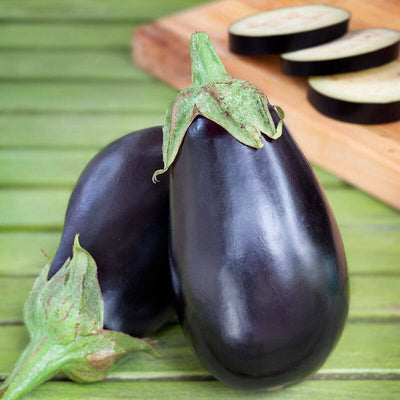
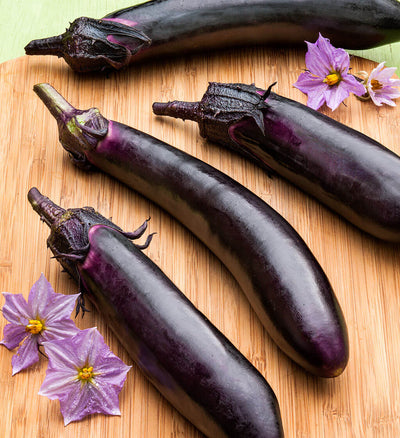
- Eggplant
- Kale
- Kohlrabi
- Onions
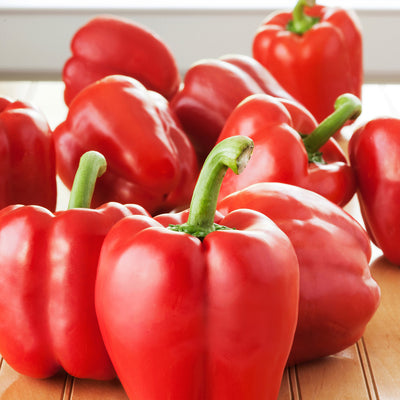
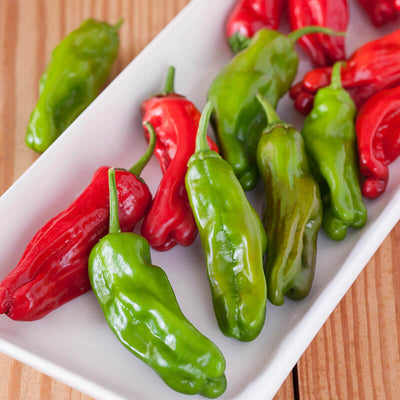
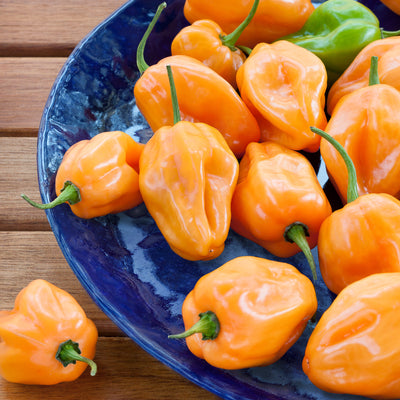
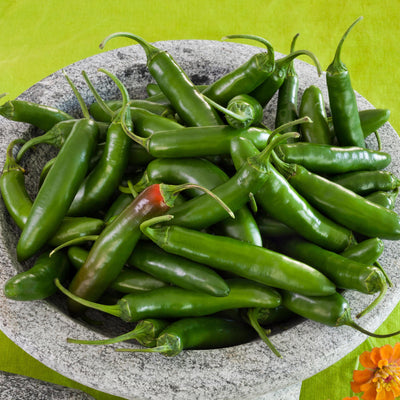
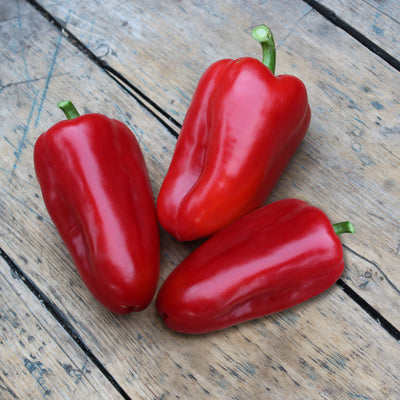
- Peppers
- Rhubarb
- Squash
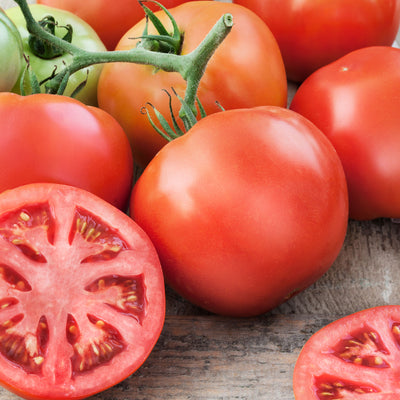
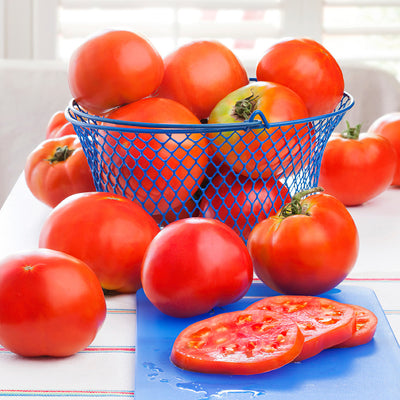
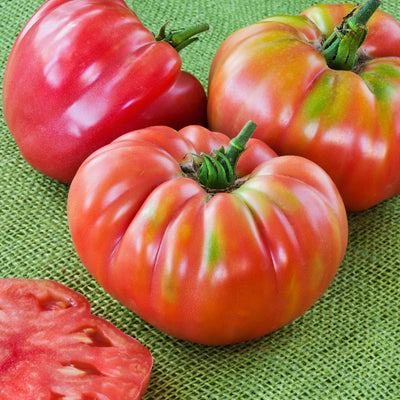
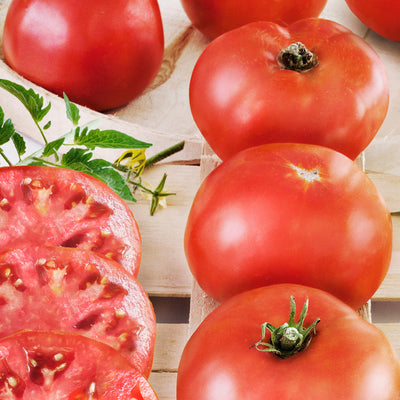
- Tomatoes
- Watermelon


Moderate Feeders
These often need good drainage and moisture-holding mulch more than they need fertilizer. Avoid using organic fertilizers made primarily from processed manure when preparing the soil for beets, carrots, and other root crops. Manure can contribute to scabby patches on potato skins and forked roots in carrots and parsnips. Moderate feeders all respond well to liquid plant food.
- Beets
- Carrots
- Okra
- Pole beans
- Potatoes
- Sweet potatoes

Light Feeders
These often benefit from a small amount of starter fertilizer but require no additional feeding when grown in soil that has been enriched with compost.
- Bush beans
- Mustard greens
- Peas
- Southern peas
- Turnips