


 Herbs
Herbs
 Vegetables
 Fruit
Fruit
 Flowers
 Succulents


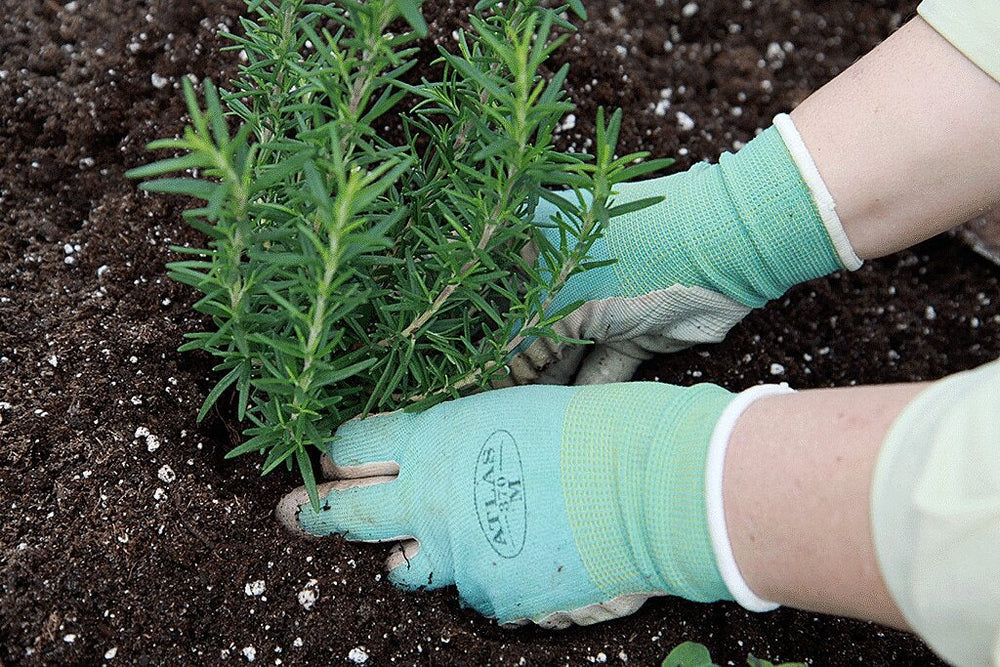
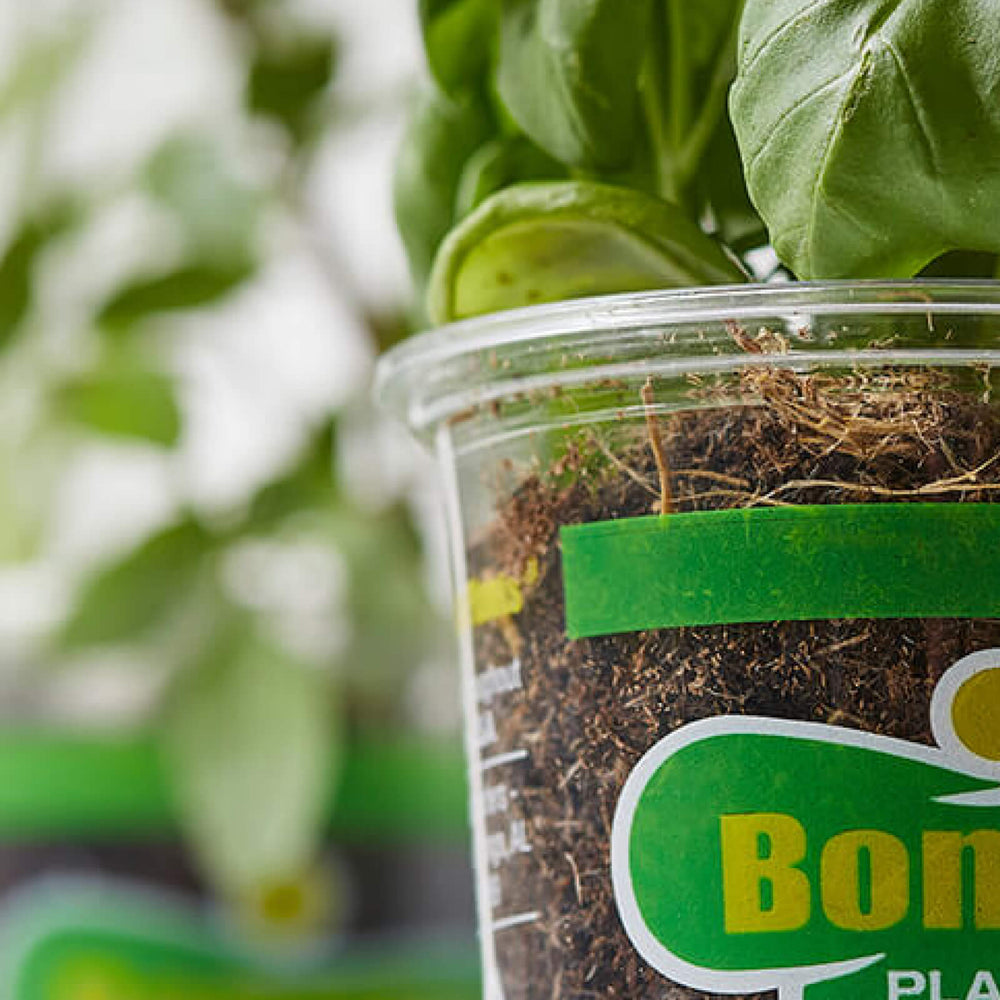
When you look at the root system of a Bonnie Plant, you'll find a "soil" mix that grows healthy roots. You may be surprised that it is not real soil from the earth. Instead, it's a potting mix (also called potting soil) made from composted bark, peat moss, and other ingredients that do not include earthen soil. Why? Consider the artificial growing environment in a container. Potted plants are usually watered daily and roots need room to spread. Given those things, plus the restricted growing area, regular garden soil would soon compact, inhibiting root growth. Plus, bringing in soil from the ground might also introduce insects and diseases. That's why, when filling containers or raised beds for growing, you want to use premium quality potting soil.A good potting mix is one that is fluffy, holds moisture, and gives plant roots the perfect balance of air, moisture, nutrition, and anchorage. If the potting mix is too dense or too wet, plant roots may become stunted or even die.
The potting mix industry grew from the need of professional growers, like us, to grow healthy plants in containers for folks like you. The first commercial mixes were developed decades ago. Over time, products have improved and became available to home gardeners, so that now your favorite garden center probably sells several potting mixes or potting soils (the names are interchangeable). We suggest that you buy a high-quality potting mix, such as Miracle-Gro® Potting Mix, for best results. Buying cheap potting soil is one of those times when a bargain may not be a bargain. Poor potting soils often contain muck or sedge peat, sand, and actual dirt, and may be heavy from lots of water — certainly not what you want for your plants.


How do you recognize quality?
Read the label and look for quality ingredients such as aged bark (or composted forest products), perlite, vermiculite, lime, sphagnum peat moss (not sedge peat), and a wetting agent (helps soil stay uniformly moist). Other ingredients might be gypsum, peat humus, and compost. Optional ingredients include moisture-holding polymer and fertilizer. A few even include pesticides; avoid those for vegetables and herbs. Products labeled "bagged topsoil" and "compost" are cheaper, but reserve them for working into the ground, as they're too heavy for pots or raised beds.
What about mixes with fertilizer included?
For best results when it comes to harvest time, you'll want to fertilize your plants regularly in addition to using premium quality potting mix. Although many potting mixes contain plant food, that nutrition will be taken up by your growing plants and eventually need to be replaced—something that will happen even sooner in hot weather with frequent watering. Choose either continuous-released granules, like Miracle-Gro® Shake ‘n Feed® Tomato, Fruit & Vegetable Plant Food or try a liquid fertilizer such as Miracle-Gro® Water Soluble Plant Food for Vegetables & Herbs. (Whichever you pick, be sure to follow the directions on the label.)
One way to test a soil is to see how it drains
When soil is placed in a pot and watered, the water should start draining out within five to ten seconds. If the soil becomes soupy or water drips out slowly, you've chosen the wrong soil.
Not sure what kind of potting soil to buy? Look for products certified by The Mulch and Soil Council, which indicates that any label claims have been tested and shown to be true. Several of the major brands of potting soils participate in this. Since it's a voluntary program, though, don't discount your favorite soil just because it is not certified. It's a great tool, however, for inexperienced gardeners and those with doubts about the current soil they're using.
Obviously, we want you to use the best soil possible because good soil — and good plants! — are key to a successful garden. Looking for more info on how to avoid garden pitfalls? Check out our article on 9 Mistakes New Gardeners Make—and How to Avoid Them. Happy growing!