


 Herbs
Herbs
 Vegetables
 Fruit
Fruit
 Flowers
 Succulents


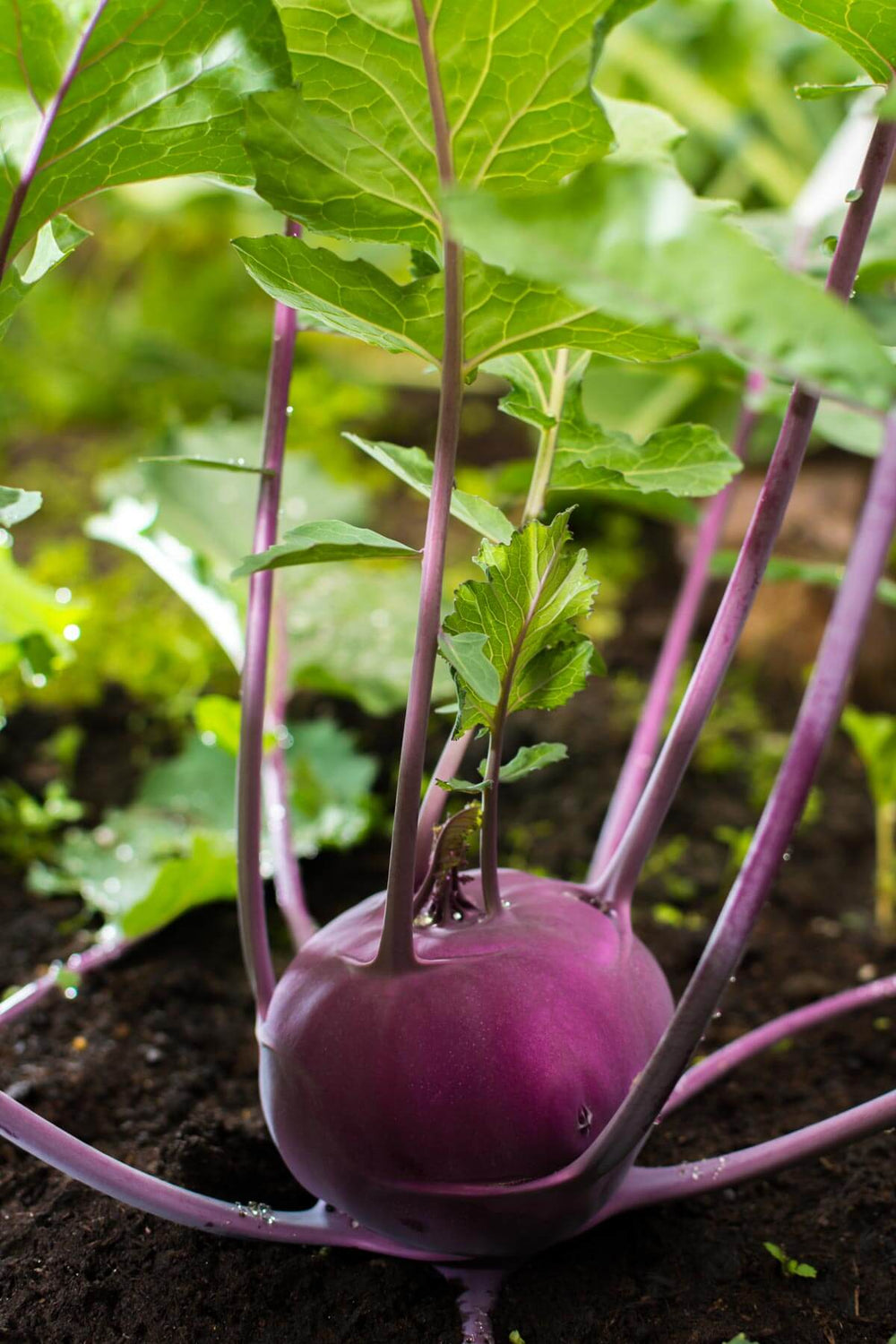
Kohlrabi is an odd-looking member of the cabbage family grown for its bulb-like stem that tastes like a mild, sweet turnip. You can also eat the leaves. High in fiber and vitamin C, kohlrabi is a fast-growing cool-weather crop, with plants ready to harvest just a few weeks after planting. Try growing kohlrabi in spring or fall.
Quick Guide to Growing Kohlrabi
- For a spring harvest, plant kohlrabi 4 weeks before the last frost.
- Space kohlrabi 9 to 12 inches apart in an area with plenty of sun and rich, well-drained soil with a pH of 6.5 to 6.8.
- Improve native soil by mixing in several inches of aged compost or other rich organic matter.
- Kohlrabi is a quick producer, so keep soil moist by giving plants 1 to 1.5 inches of water each week.
- Encourage excellent leaf production by feeding plants regularly with a water-soluble plant food.
- Block weeds and retain soil moisture by applying a thick layer of mulch made from organic material such as finely ground leaves or bark.
- Harvest kohlrabi when leaves are 2.5 to 4 inches wide.
Soil, Planting, and Care
Set out spring plants about 4 weeks before the last frost so they mature in cool weather. Plants just out of a greenhouse need initial protection from freezes. Set out fall plants about 6 weeks before the first frost. In fall, plants "hardened" by gradual exposure to cool weather are tolerant of frost. Kohlrabi that matures in cool weather is deliciously sweet.
Kohlrabi needs at least 6 hours of full sun each day; more is better. Give it fertile, well-drained, moist soil with plenty of rich organic matter. A soil pH between 6.5 and 6.8 discourages clubroot disease. To check pH, test the soil with a purchased kit, or get a soil test through your regional Cooperative Extension office. Fertilize and lime according to test recommendations.
Without a soil test, add nitrogen-rich amendments such as blood meal, cottonseed meal, or composted manure to the soil, or amend the soil with a few inches of Miracle-Gro® Performance Organics® All Purpose In-Ground Soil to provide nutrition, improve soil texture, and help protect against over- and under-watering. Space plants 9 to 12 inches apart. It's also a good idea to feed kohlrabi plants regularly with a continuous-release vegetable fertilizer such as Miracle-Gro® Performance Organics® Edibles Plant Nutrition Granules, following label directions.
Kohlrabi needs an even supply of moisture to produce good bulbs. Mulch with compost, finely ground leaves, or finely ground bark to keep the soil cool and moist and to keep down weeds. Apply 1 to 1.5 inches of water per week if it doesn't rain. You can measure the amount of water with a rain gauge.
Troubleshooting
Although the same pests that like cabbage can also attack kohlrabi, it is generally less troubled by aphids, root maggots, cabbageworms, and other caterpillars. Clubroot and black rot diseases in the soil can be a problem.
Harvest and Storage
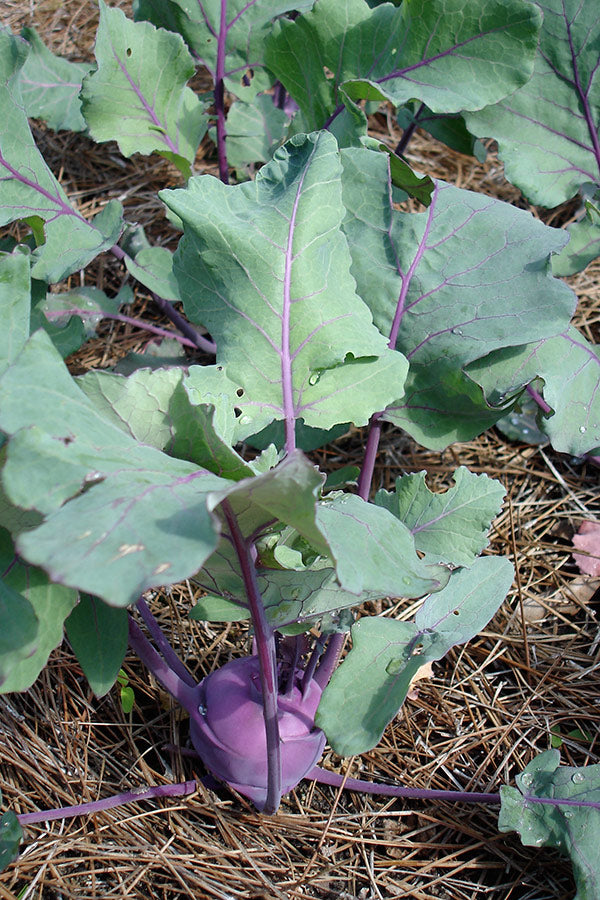
Harvest kohlrabi stems when they are still young and tender, usually about 2 1/2 to 4 inches in diameter. Harvest by cutting them from the base of the plant. You can trim the leaves from the stem and save them to cook separately. Kohlrabi keeps for 2 to 3 weeks in the fridge. You can peel and slice kohlrabi tubers to eat them raw with dips or in salads, or you can cook them like turnips. The leaves are cooked until just tender, like cabbage or turnip greens.

FAQs
Is there a secret to growing great kohlrabi?
Kohlrabi grows very fast, which means plants need plenty of water and fertilizer. Keep soil moist with an organic mulch, such as straw, compost, or grass clippings. Apply mulch when plants are 6 inches high, mulching right up to the bulb. Fertilize plants every two to three weeks using a complete liquid fertilizer, such as Bonnie Herb & Vegetable Plant Food or fish emulsion.
Does kohlrabi need a lot of water?
Although established kohlrabi plants are drought-tolerant, dry soil tends to produce bitter stems. Keep soil consistently moist to harvest the best tasting kohlrabi.
How can I keep weeds under control without damaging the plants?
Kohlrabi are shallow rooted, so it's best not to hoe deeply near the plants. If you have a heavy crop of large weeds, water the bed first to loosen soil, then hand-pull the weeds. A layer of mulch will keep weeds in check and helps soil stay moist, which yields the best-tasting kohlrabi. If you mulch with compost and a few weeds sprout, remove them when they're small enough that dragging the hoe over soil dislodges them.
The kohlrabi I have picked so far are tough and bitter. What is wrong?
The ideal size to harvest kohlrabi is when stems are 2 inches across. Larger stems become tough and pithy, difficult to chew, and bitter tasting. Also, if plants are stressed for water they can turn tough and bitter while small.
Can I eat the leaves of kohlrabi?
Kohlrabi leaves are very similar to turnip greens. Pick them small to toss into salads. (Just don't harvest too many or the stems won't grow as large.) When harvesting the plant, snip leaves from stems and cook as you would turnip greens.
They're calling for frost tomorrow night. Do I need to pick the kohlrabi?
Frost actually enhances the flavor of kohlrabi. A hard freeze, though, the kind that kills vegetation, will harm kohlrabi. If a hard freeze is imminent, go ahead and harvest the kohlrabi. But if it's just a light frost, don't worry. You can also use frost protection blankets (similar to floating row covers) to cover plants. Frost blankets can add weeks to your growing - and harvesting - season.