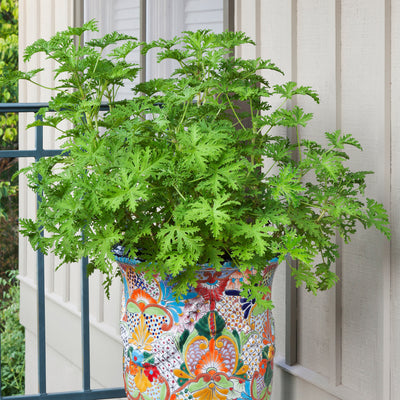



 Herbs
Herbs
 Vegetables
 Fruit
Fruit
 Flowers
 Succulents


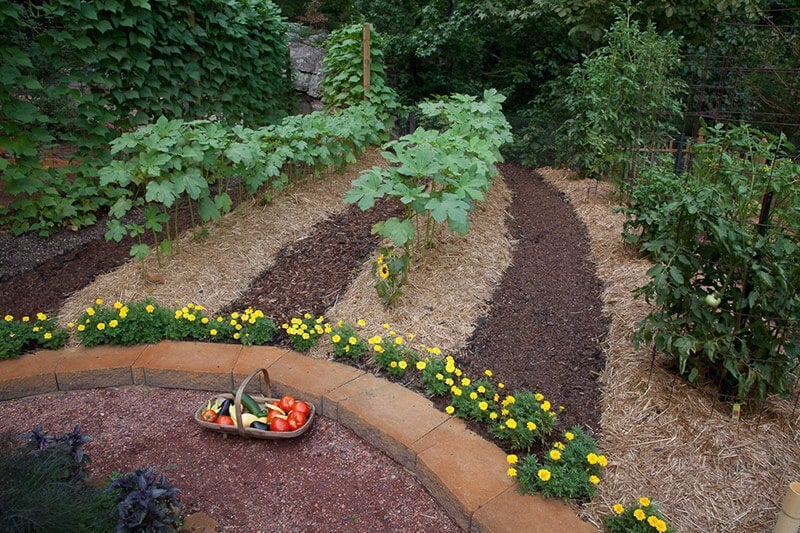
Most people think organic gardening is about growing plants without using synthetic pesticides or fertilizers. That's just one aspect of it. Organic gardening is about trying to work in harmony with nature to cultivate an ecosystem where beneficial insects, natural predators, and soil microbes flourish alongside plants to encourage balance and health in the garden.
Practices used by home organic gardeners are simple, hands-on methods used for generations. These practices are sometimes called sustainable, meaning they preserve the long-term health and productivity of the garden while maintaining or improving (rather than depleting) its resources.
One easy way to help ensure you'll get the best harvest possible from your organic garden is to use a combination of premium quality organic soil and plant food. Miracle-Gro® Performance Organics® All Purpose In-Ground Soil and Miracle-Gro® Performance Organics® Edibles Plant Nutrition Granules are excellent choices, as the soil is enriched with nutrient-filled aged compost, and the granules feed both your plants and the soil microbes that help the roots take up all those nutrients. Both help create the beneficial growing environment you need for a thriving organic garden.
Other natural gardening practices, like composting, choosing disease-resistant plants, and mulching, are all aspects of organic gardening. Inspecting crops and using non-synthetic pesticides are other components. To tend your garden organically, you don't have to convert 100 percent of your garden to organic practices all at once. Phase in growing organically by mastering one technique at a time.