
 Herbs
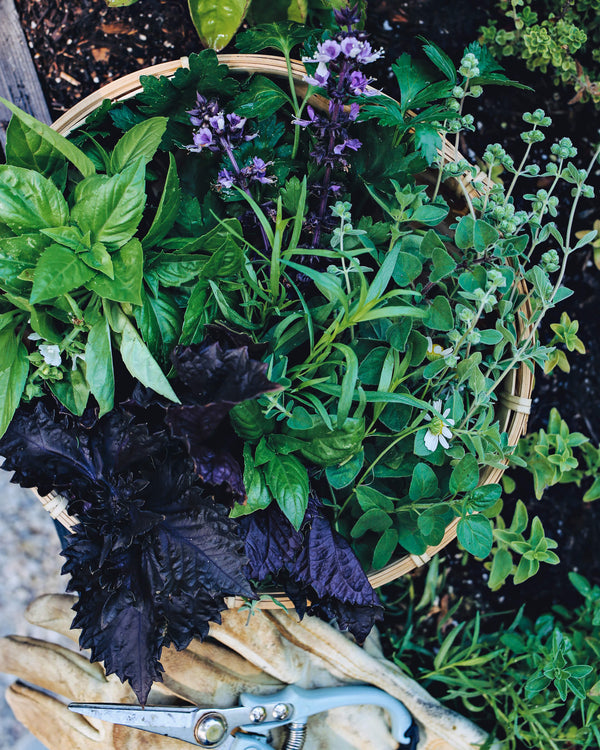
Herbs
 Vegetables
 Fruit
Fruit
 Flowers
 Succulents
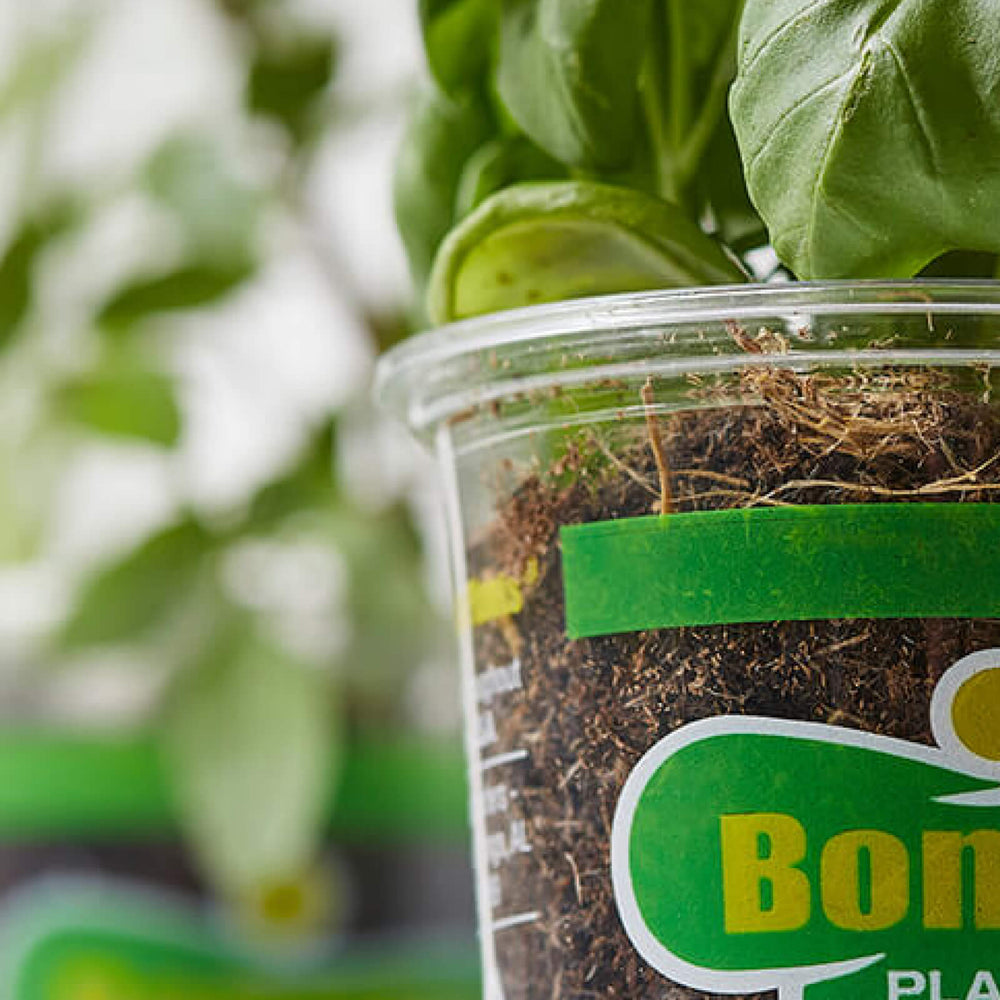


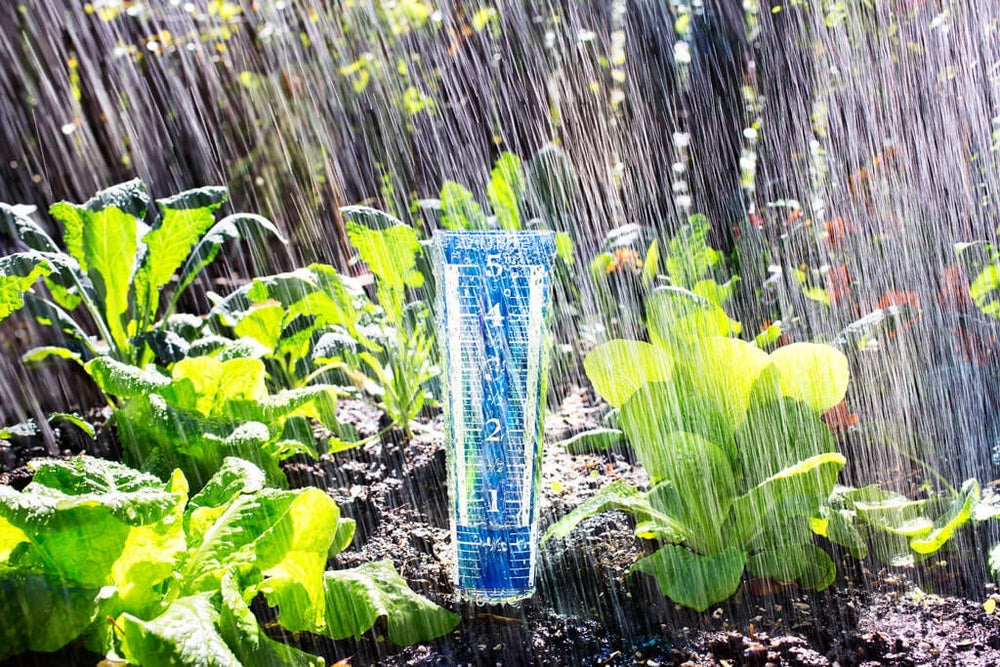
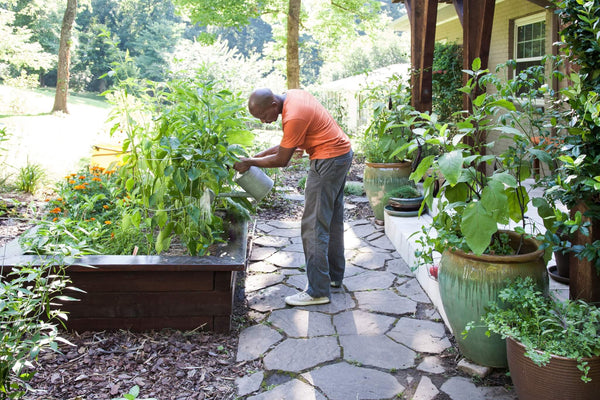
A good general guideline when it comes to watering your plants is an inch of H2O per week, either by rain or watering; in arid climates, it is double that. In hot weather, vegetables need even more water, up to about ½ inch per week extra for every 10 degrees that the average temperature is above 60 degrees.
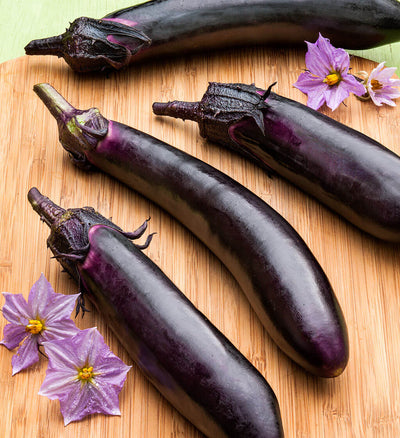
By definition, the average temperature is the daytime high plus nighttime low, divided by 2. So, if the high is 95 and the low is 73, the average is 92 + 73, divided by 2. The answer is 82.5. In this case, the garden needs at least another inch of water. This explains why most vegetable gardeners in hot climates just laugh at the "1 inch of water per week" recommendation. That simply doesn't work in really hot weather for squash, eggplant, tomatoes, and other crops that need lots of water and have big leaves that wilt easily.
You can measure an inch of water by putting a rain gauge or even a plastic container or other container under your sprinkler, soaker, drip, or other watering system. You've applied an inch of water when the vessel collects water an inch deep.