
 Herbs
Herbs
 Vegetables
 Fruit
Fruit
 Flowers
 Succulents


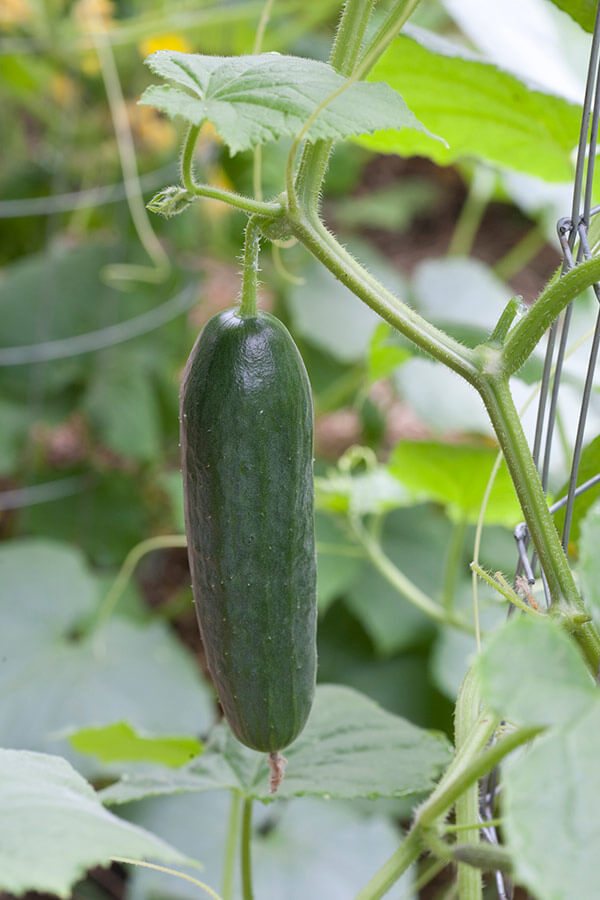
Cucumbers are warm-weather vegetables that grow best when temperatures are hot and water is plentiful. Because cucumber plants are very frost-tender, they should not be planted until soil temperatures are reliably in the 70-degree range, at least two weeks after the last frost date.
Cucumber plants grow in two forms: vining and bush. Vining cucumbers spread along the ground or climb trellises, while bush types, such as Burpless Bush Hybrid, form compact plants suited to containers and small gardens. Vining cucumbers generally produce more fruit over the season, while bush varieties can yield well when planted in succession every two weeks.
Whether you want cucumbers for slicing or pickling, Bonnie Plants® offers varieties to match different tastes and garden spaces. Options range from smaller fruits like lemon cucumber to classic heirlooms such as Boston Pickling. Whichever cucumber variety you choose, starting with strong plants helps ensure a productive season.
Quick Answers About Growing Cucumbers
- When should cucumbers be planted? Plant cucumbers when soil temperatures reach the 70s, at least two weeks after the last frost.
- Do cucumbers prefer hot weather? Yes. Cucumbers thrive in warm weather with plenty of moisture.
- Can cucumbers grow in containers? Yes. Bush-type cucumbers are especially well suited to containers and small gardens.
- How much water do cucumbers need? Cucumbers grow best with about one inch of water per week and consistently moist soil.
- When should cucumbers be harvested? Harvest cucumbers when they are big enough to eat, before they become oversized or bitter.
Quick Guide to Growing Cucumbers
- Plant cucumbers when average daily temperatures reach the mid-70s° F.
- Space cucumbers 36 to 60 inches apart (12 inches apart for trellised plants) in an area with abundant sun and fertile, well-drained soil with a pH of 6.0 to 6.8.
- Improve native soil by mixing in several inches of aged compost or other rich organic matter.
- Cucumbers will grow quickly with little care. Be sure they receive an inch of water every week.
- Make the most of your food growing efforts by regularly feeding plants with a water-soluble plant food.
- When soil is warm, add a layer of straw mulch to keep fruit clean and help keep slugs and beetles away.
- Harvest cucumbers when they are big enough to eat.
Soil, Planting, and Care
Cucumbers need warm, fertile soil with a pH of 6.0 to 6.8, although they will tolerate a bit more alkaline soil to 7.6. To improve the soil and help create the root environment needed for a big harvest, work several inches of aged compost-enriched Miracle-Gro Organic™ Garden Soil into the top few inches of your existing garden soil. (Compost or composted manure will work, too.) Plant seedlings 36 to 60 inches apart, depending on variety (check the stick tag). For vines trained on a trellis, space plants 1 foot apart.
In areas where spring is long and cool, you can warm the soil 3 to 4 degrees by covering the hill or row with black plastic. If you do not plant in black plastic, then mulch with pine straw, wheat straw, chopped leaves, or your favorite organic mulch shortly after planting. If the weather is unseasonably cool, you can wait a while to mulch until the ground is warmed by the sun. Mulch is especially important to keep the fruit clean for bush types and vines not growing on a trellis. Straw mulch is also thought to be uncomfortable for slugs and creates an uneasy footing for cucumber beetles, helping to keep them at bay.
If you can, trellis your vines. This keeps the fruit clean and saves space. A 12- to 18-inch diameter cage made from 4- or 5-foot welded wire fencing or hog wire will support 2 or 3 vines. Wire is easy for the tendrils of climbing cucumbers to grab as the plant grows.
Cucumbers grow fast and don't demand a lot of care. Just keep the soil consistently moist with an inch of water per week (more if temperatures sizzle and rain is scarce). Inadequate or inconsistent moisture causes oddly shaped or poor-tasting fruit. If possible, water your cucumbers with a soaker hose or drip irrigation to keep the foliage dry. This helps prevent leaf diseases that can ruin the plant.
For best results, high quality plant food is just as important as starting with great soil. You can fertilize with a water-soluble food, such as Miracle-Gro Organic™ Liquid Plant Food, applying it directly to soil around plant stems. Or, you can use a continuous-release fertilizer, like Miracle-Gro Organic™ Planting Tablets, worked into the soil. Both plant foods feed both your plants and the beneficial microbes in the soil that help them thrive. Either way, be sure to follow label directions.
Troubleshooting
If vines bloom but don't fruit, something is probably interfering with pollination. First, make sure that you see both male and female blooms. Male blooms usually appear first and then drop off, so don't be alarmed if this happens. Within a week or two, female flowers will also appear; each one has a small cucumber-shaped swelling at the base that will become a cucumber. If you're still not seeing those swellings turn into fruit, you may need to do a bit of hand-pollination.
Several pests bother cucumbers. Squash bugs may attack seedlings. Slugs like ripening fruit. Aphids can colonize leaves and buds. Straw mulch helps keep slugs at bay, as can trellising vines to get the fruit off the ground. Vines are also bothered by cucumber beetles, which chew holes in leaves and flowers and scar stems and fruits, but worse than that, they spread a disease that causes the plants to wilt and die. Powdery mildew is a disease that leaves white, mildew-like patches on the leaves. Apply fungicides at the first sign of its presence. To minimize disease spread, avoid harvesting or handling vines when leaves are wet.
Harvest and Storage
You can pick cucumbers whenever they're big enough to use. Check vines daily as the fruit starts to appear because they enlarge quickly. Vines produce more fruit the more you harvest. To remove the fruit, use a knife or clippers, cutting the stem above the fruit. Pulling them may damage the vine. Don't let the cucumbers get oversized or they will be bitter, and will also keep the vine from producing more. Yellowing at the bottom (blossom end) of a cucumber signals overripeness; remove the fruit immediately. Harvest lemon cucumbers just before they begin turning yellow. Although they are called lemon cucumber because the little oblong or round fruits turn yellow and look like a lemon, by the time the fruit turns yellow it may be a little too seedy for most tastes.
You can keep harvested cucumbers in the refrigerator for 7 to 10 days, but use them as soon as possible after picking for best flavor. If you don't eat a slicing cucumber all at once, cover the unused portion in plastic wrap to prevent dehydration in the refrigerator. In fact, it's a good idea to wrap your whole cucumbers in plastic or store them in a zipper bag in the fridge to keep them crisp.



FAQs
How do you plant cucumbers in hills?
Cucumbers can be planted on small soil mounds to improve drainage. Build a hill about one foot wide and three inches high, then plant the cucumber in the center of the mound.
Should cucumbers be staked or trellised?
Staking or trellising cucumbers keeps vines off the ground. Cucumber tendrils naturally climb strings or wire supports, which keeps fruit cleaner and makes harvesting easier.
Which cucumber varieties grow best in containers?
Bush-type cucumbers are best for containers. These varieties are compact and bred for small gardens, with vines that do not grow as long as standard types.
Why did my cucumber plants bloom but not produce fruit?
This usually indicates a pollination issue. Cucumbers need pollinated flowers to set fruit, and a lack of bees can prevent fruit formation.
Check for bee activity in the morning, when pollinators are most active, and avoid using pesticides that may harm them.
Why do cucumbers sometimes taste bitter?
Bitter cucumbers are often caused by stress or overmature fruit. Extreme temperatures, poor soil fertility, disease, or leaving fruit on the vine too long can all contribute.
To reduce bitterness, grow varieties less prone to bitterness and harvest fruit promptly.
How can I protect cucumbers from cold spring weather?
Cucumbers are very sensitive to frost. Plant at least two weeks after the last frost and use plastic sheeting or row covers to retain warmth if temperatures are cool.
Once flowers appear, remove covers so bees can pollinate the plants.
How often should cucumbers be watered?
Cucumbers need consistently moist soil. Water often enough to keep soil slightly moist at all times to prevent stress and bitterness.
When should pickling cucumbers be harvested?
Pickling cucumbers should be harvested when they are 3 to 4 inches long. For larger pickles, harvest at 6 to 7 inches if the fruit is still tender.