


 Herbs
Herbs
 Vegetables
 Fruit
Fruit
 Flowers
 Succulents


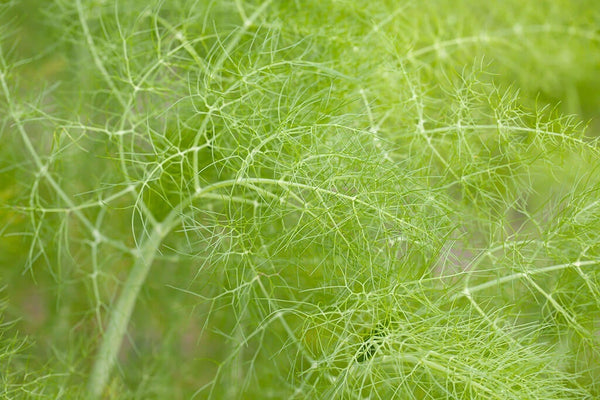
Cilantro is a cool-season herb that grows quickly and is best planted where it can be harvested and allowed to go to seed. In spring and fall, cilantro forms a low rosette of lacy leaves that are harvested fresh. As temperatures warm, the plant sends up a tall flower stalk with clusters of small white or pale pink flowers, which later produce coriander seeds.
Quick Answers About Growing Cilantro
- Is cilantro a cool-season herb? Yes. Cilantro grows best in the cool weather of spring and fall.
- Can cilantro be allowed to reseed? Yes. Cilantro can be planted where it can flower, produce seeds, and reseed naturally.
- Can cilantro tolerate light frost? Yes. In mild climates, cilantro can grow through winter and withstand a light frost.
Plant cilantro in a dedicated herb bed where it can reseed naturally, or in a corner of the vegetable garden. In mild climates, cilantro can also be grown through winter and makes an attractive companion to pansies, as its leaves can withstand a light frost.
Plant cilantro in a dedicated herb bed where it can reseed naturally, or in a corner of the vegetable garden. In mild climates, cilantro can also be grown through winter and makes an attractive companion to pansies, as its leaves can withstand a light frost.
Quick Guide to Growing Cilantro
- Plant cilantro during the cool days of spring or fall.
- Grow cilantro in an area that receives full sun and has rich, well-drained soil with a pH of 6.2 to 6.8. Offer afternoon shade if you live in a warmer climate.
- Improve native soil by mixing in several inches of aged compost or other rich organic matter. For growing in containers, consider a premium bagged potting mix.
- Keep soil moist and use a soaker hose or drip irrigation if necessary.
- Encourage prolific leaf production by regularly feeding with a water-soluble plant food.
- Harvest cilantro leaves once they are large enough to eat. Avoid harvesting more than a third of the plant at any one time.
Soil, Planting, and Care
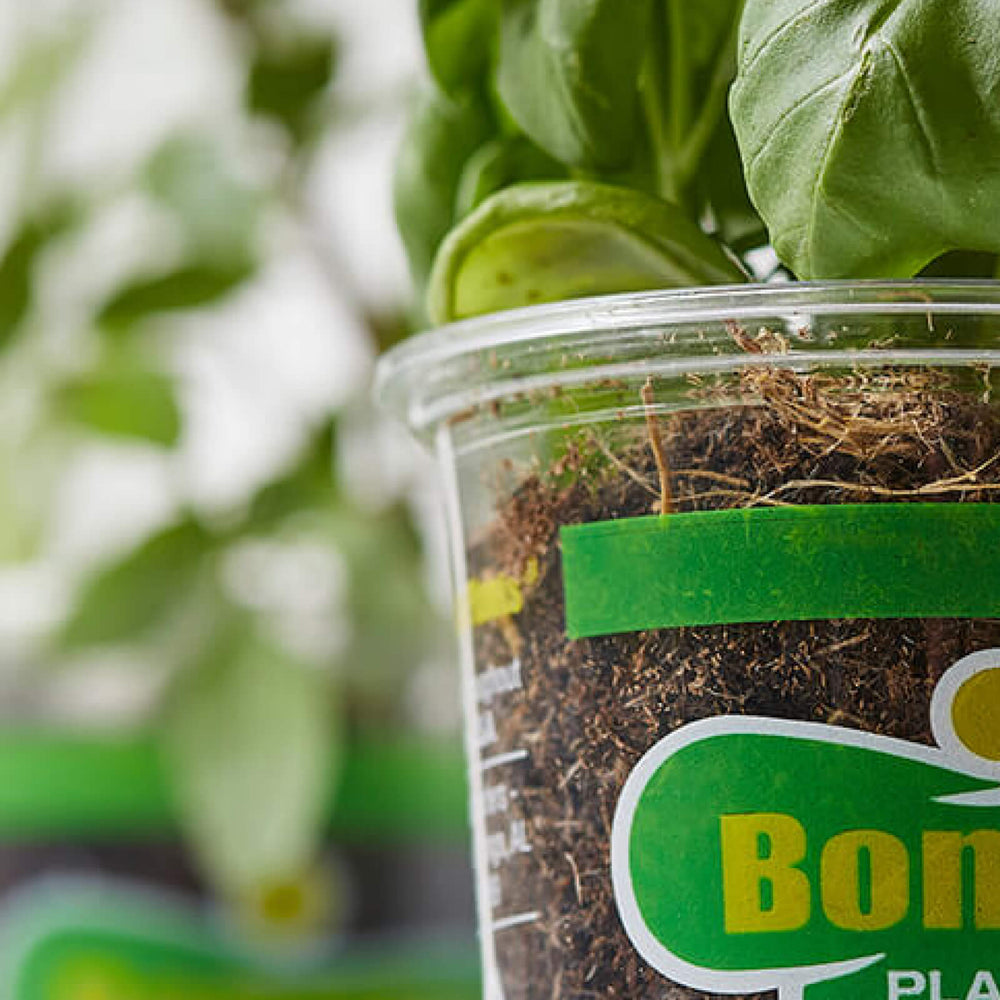
Start by choosing strong young Bonnie Plants® cilantro starter plants to give you an added measure of success in the garden. Bonnie cilantro is already well on its way to maturity and comes from a company with over a century of experience helping home gardeners grow their own food.
Grow cilantro in full sun, though it will also tolerate light shade in the South and Southwest where the sun is intense. In the South and Southwest, plant in the fall or early spring, about a month before the last frost. Fall is the ideal time to plant in zones 8, 9, and 10 because the plants will last through until the weather heats up in late spring. In the North, plant cilantro in late spring. When plants begin to bloom, the foliage will become scarce; for a steady harvest, set out plants every 3 to 4 weeks until the weather gets warm in spring, or until the first fall frost.
Plant cilantro in well-drained soil with a pH of 6.2 to 6.8. You can either conduct a soil test or simply improve your soil by mixing a few inches of aged compost-enriched Miracle-Gro® Performance Organics® All Purpose In-Ground Soil in with the top layer of your existing soil. If you plan to grow cilantro in a container, you'll have more success if you fill the pot with premium potting mix, such as Miracle-Gro® Performance Organics® All Purpose Container Mix which also contains lots of nutritious compost. Don't use in-ground or garden soil in pots, as it's too heavy.
Cilantro frequently self-sows. As seeds fall to the ground, little plants may pop up during the season and the following spring. One way to keep cilantro in check is to grow it indoors in a hydroponic (or water-based) system, like the Miracle-Gro® Twelve™ Indoor Growing System. Simple to use, it guides cilantro to produce an impressively large harvest. Plants go directly in the water, which circulates moisture, air, and nutrients to the roots, and a grow light provides all the light needed by the plants.
Troubleshooting
Cilantro occasionally has problems with aphids and whitefly, wilt, or mildew. For the insects, use insecticidal soap. To prevent or control wilt and mildew, make sure you clean up spent cilantro plants at the end of the season, and remove any infected plants as soon as possible.
One of the surprises that most gardeners get from cilantro is that it moves through its life cycle so quickly, especially in spring. If you are lucky enough to live in a mild winter climate, fall and winter give you the longest season to harvest. Once you understand this fast little plant, it's easy to manage. Give it its own patch in the garden where you can harvest, then ignore, then harvest again. Harvest while it's low, let it get tall when it wants to, then cut off the tall plants after the seeds drop to get it out of the way. This makes room for the new plants that start themselves from the fallen seeds. Or, of course, you can set out new plants every 3 to 4 weeks for as long as we have them in the stores, but the harvest and ignore technique will get you through the in-between times.
Harvest and Storage
You can harvest cilantro's foliage continually in the cooler months of spring and fall and through winter in areas without hard freezes. Harvest by cutting the leafy stems near ground level; most will be around 6 to 12 inches long. Avoid cutting more than one-third of the leaves at one time, or you may weaken the plant. While planting in premium Miracle-Gro® Performance Organics™ soil will provide a generous helping of nutrition to start, for best results, you'll want to begin feeding cilantro regularly with Miracle-Gro® Performance Organics® Edibles Plant Nutrition after 4 or 5 harvests. This will continue to provide both plants and soil with just the right amount and kind of nutrients. Another option is to fertilize with fish emulsion.
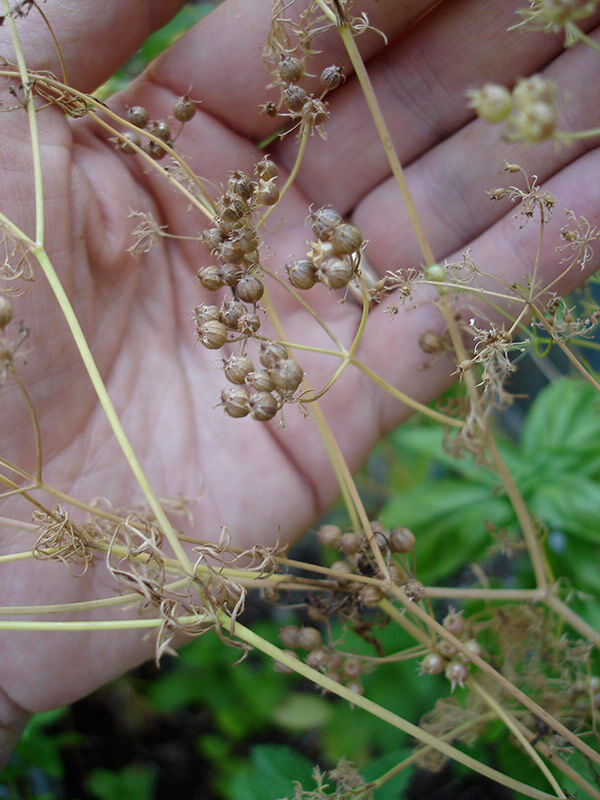
Harvest the seeds by clipping the brown, round seed heads; place upside down in a paper bag. In a few days, the round husks will dry and split in two, dropping the edible seed inside. Don't delay seed harvest, or the weak stems will fall over.


Uses
Growing cilantro adds a lot of healthy, fresh flavour to your kitchen. Freshly chopped cilantro is an excellent source of potassium, is low in calories, and is good for the digestive system. It is best to use fresh cilantro in cooking since it does not dry very well. Add chopped leaves at the last minute for maximum flavor. Cilantro blends well with mint, cumin, chives, garlic, and marjoram. Store by freezing the leaves in cubes of water or oil; you can dry them, too, but they lose a lot of their flavour this way, which explains why growing your own is far better than buying it from the spice rack.
Store coriander seeds in a cool cabinet or the refrigerator. Use them in curry, poultry, relishes, and pickles.
FAQs
Are coriander and cilantro the same plant?
Yes. Coriander and cilantro come from the same plant. Coriander refers to the seed, while cilantro refers to the leaves, and their flavors are quite different.
You can harvest coriander seeds after the plant flowers and round seeds form. Harvest and dry the seeds before grinding them into coriander.
How do I know when cilantro is ready to harvest?
Cilantro can be harvested at almost any stage. Once plants are a few weeks old, you can begin picking leaves for use.
If plants are very young, avoid removing all the leaves, as this can weaken them. Harvest a few leaves from each plant as needed and use them fresh in recipes or to brighten prepared foods like bottled salsa.
How can I grow cilantro year-round?
Cilantro grows best during cool seasons and follows a natural growth cycle. It produces leaves in the first season, then flowers, sets seed, and dies.
Plant cilantro in early fall for optimal growth. In mild winters, plants can provide leaves for months. In spring, cilantro will grow taller, develop lacy leaves, flower, and eventually produce seeds before dying. Seeds that fall to the ground can sprout again in fall, restarting the cycle.
To have cilantro during summer, preservation is needed. Drying is not ideal. Instead, chop or puree fresh leaves with olive oil and store them in a freezer-safe container for later use.
Why are my cilantro plants tall and thin with few leaves?
This usually means cilantro has started to flower. As weather warms in late spring or early summer, cilantro shifts from leafy growth to flowering.
The plant changes from a round, leafy form to a taller plant with lacy leaves and clusters of white flowers. Seeds form shortly after and can be harvested as coriander. Once flowering is complete, the plant will die, but fallen seeds often sprout again in fall or early spring, providing a new crop.